
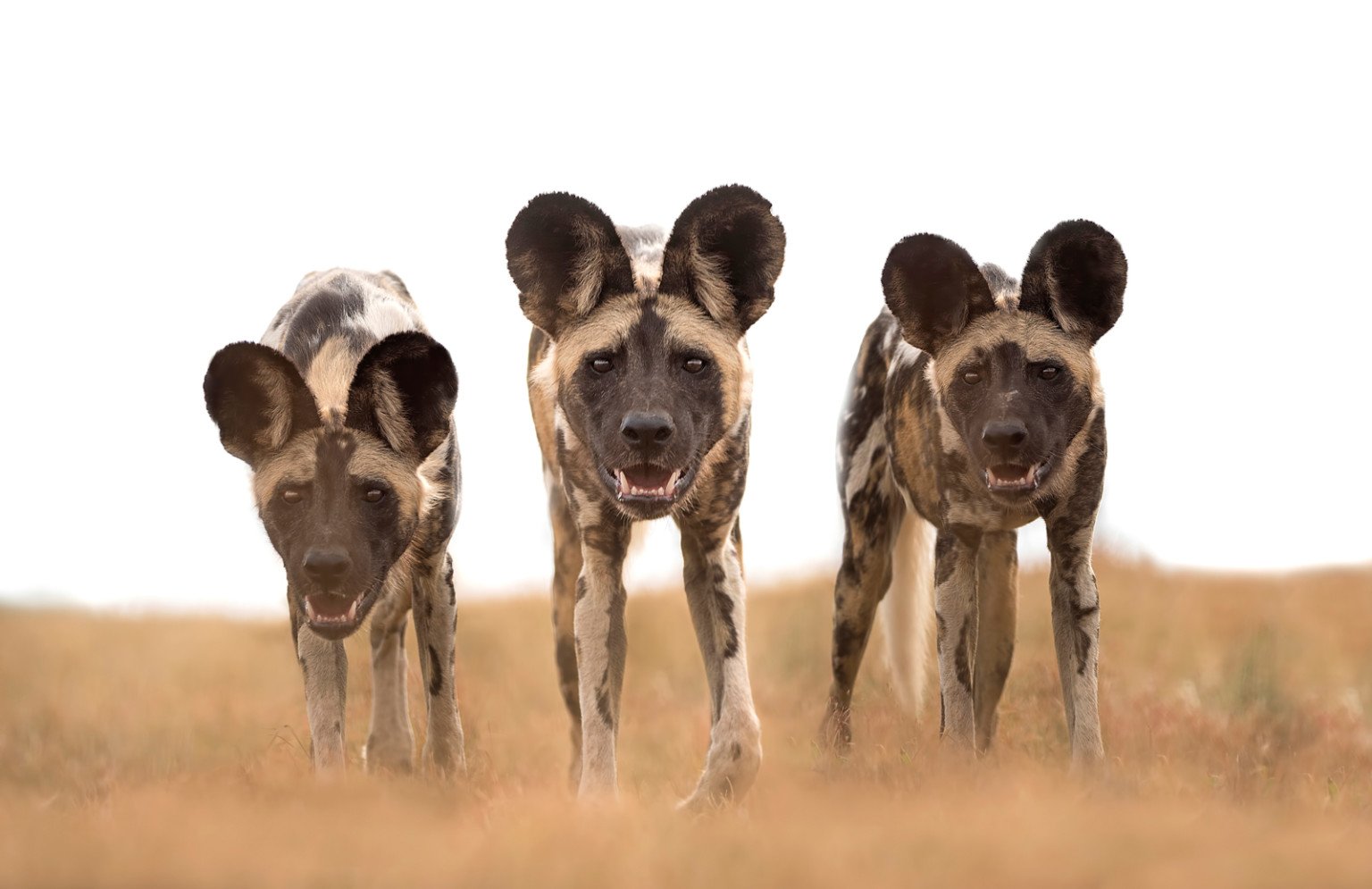
Moremi Game Reserve is a premier wildlife destination in northern Botswana, protecting a stunning section of the Okavango Delta. Voted Africa’s “best game reserve” in 2008, it’s the only officially protected area of the Delta—a UNESCO World Heritage Site.
Quick Facts
- Size: 3,900–5,000 km²
- Location: Eastern Okavango Delta, closest town is Maun (154 km away)
- Established: 1965 (Africa’s first reserve created by local communities)
- Unique Feature: The only reserve combining dry savanna, woodlands, and permanent waterways
Wildlife
A “Big Five” destination (lion, leopard, elephant, buffalo, and reintroduced rhino). Also renowned for:
- African Wild Dog (excellent sightings)
- Hippo, giraffe, and red lechwe
- Nearly 500 bird species (African fish eagle, Pel’s fishing owl)
Habitats
Diverse landscapes in one reserve:
- Permanent floodplains & lagoons
- Mopane woodlands & acacia forests
- Open grasslands
- Chief’s Island (prime predator-viewing area)
Activities
- Game drives (4×4, no off-roading)
- Mokoro (dugout canoe) trips – glide silently through waterways
- Boat safaris (in lagoon areas)
- Photography & birdwatching
⚠️ Note: No walking safaris, night drives, or off-road driving allowed inside the reserve.
Best Time to Visit
- Dry Season (May–Oct): Peak wildlife viewing; animals gather at water sources. July–Oct is prime.
- Green Season (Nov–Feb): Lush scenery, migratory birds, lower rates.
- Shoulder (Mar–Apr & Nov): Good value with pleasant conditions.
Getting There
- Fly: To Maun (MUB) via Johannesburg, Cape Town, or Windhoek, then a light charter into the reserve.
- Self-Drive: 3–4 hours from Maun in a 4×4 vehicle (essential). Book campsites in advance—roads can be challenging in rain.
Accommodation
- Luxury Tented Camps: Xakanaxa, Chief’s Camp, Camp Moremi.
- Public Campsites: Rustic options like Third Bridge (reservations mandatory).
Key Tips
✔ Book 9–12 months ahead for dry-season stays.
✔ 4×4 vehicle is compulsory for self-drivers.
✔ Combine with Chobe National Park or Khwai Concession for extended safaris.
✔ The reserve reopened on 13 April 2026 after floods—check road conditions before travel.